Motorcycle Maintenance
A step-by-step guide on cleaning your motorcycle
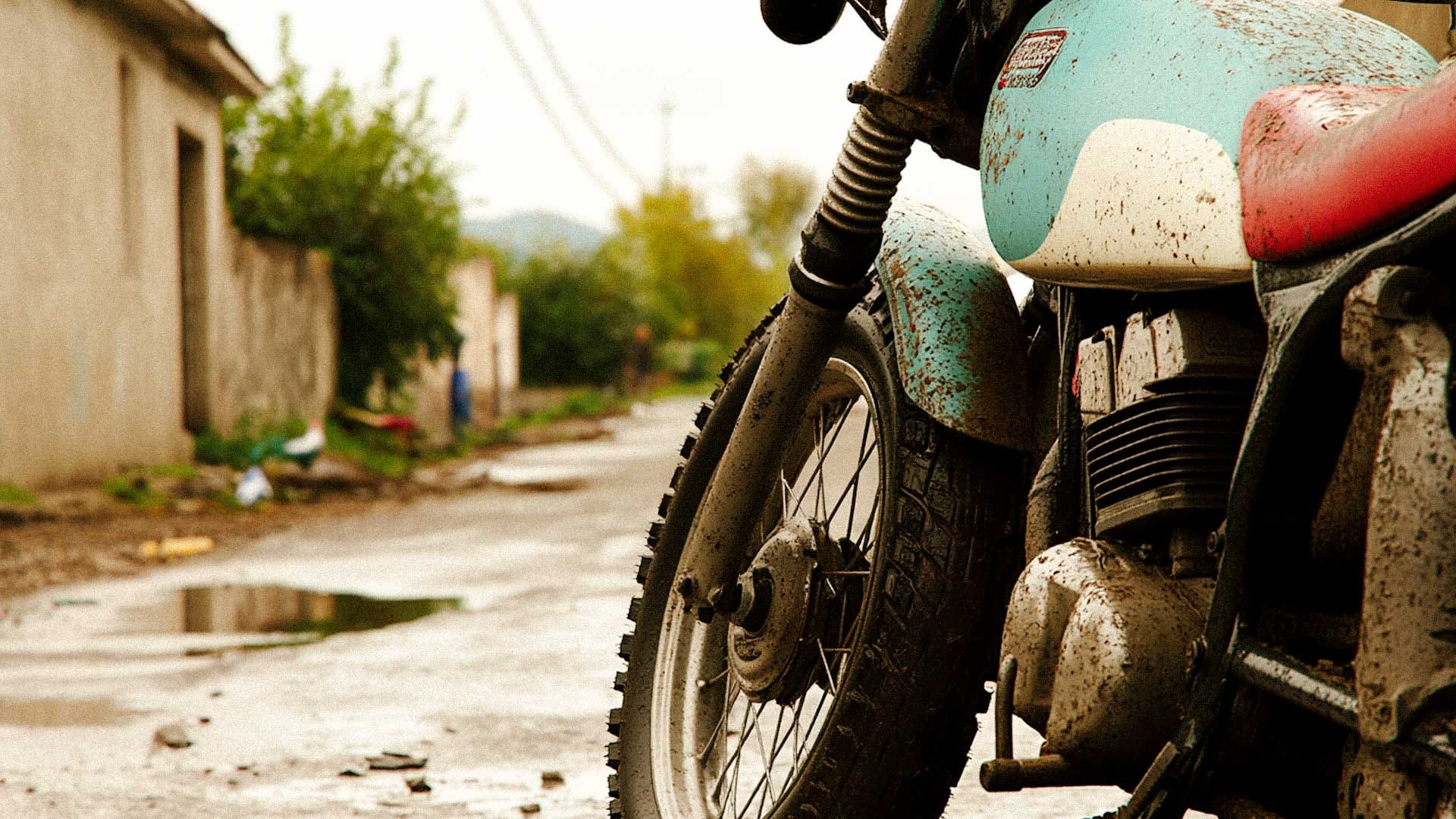
Riding a clean-looking bike is a sweet feeling and, unless you’re on a motocross or adventure bike, pulling up on a motorcycle full of nasty stains can feel just like smiling for a photo with a piece of broccoli stuck in your teeth. Not a good look. However, washing your motorcycle is not just about keeping your bike looking clean and pristine. More importantly, cleaning your motorcycle removes chemicals and debris that will mostly cause damage to your pretty plastics and beautiful pipes. And, if you have a bike that shines in the sunlight with plenty of chrome, it also needs plenty of washing and protection.
📦 Affiliate Disclosure:
Some of the links in this article are affiliate links — if you click and buy, I may earn a small commission at no extra cost to you. It helps support the channel and future content 🙌
The good news is that washing a motorcycle is pretty easy. It’s a relaxing and meditative process that allows you to become more familiar with your motorcycle and its working parts. Cleaning your bike also gives you the opportunity to inspect it to see if anything is amiss or not working properly. It’s also a great way to flaunt your baby on any given sunny day.
The Parts Of Your Motorcycle That Need Washing

Areas of a motorcycle that typically need to be washed include
- Fairings/body plastics
- Driver seat and passenger pillion
- Windshield
- Mirrors
- Headlights
- Taillights
- Exterior engine components
- Under-body
- Exhaust pipes
- Wheels
- Tires
- Rims
WARNING: The drivechain components of your motorcycle require a separate cleaning process with specially formulated cleaning solutions and lubricants. Avoid getting any cleaning solution on the drivechain area and try not to get these components wet.
Tools: What You’ll Need To Wash Your Motorcycle
The items listed below are quite common and can be found in your local hardware store and auto shop store.
- Microfiber terry cloth x3
- Washrag x3
- Long-handle soft bristle brush
- Wheel cleaning wand
- Simple Green All-Purpose Cleaner
- Windex
- Aero Cosmetic Wash Wax
- Bucket
- Clean water
Washing Your Motorcycle: Start With A Washcloth

- Gather a bucket and fill it with clean water.
- Grab a bottle of Simple Green and add a generous amount to your bucket of water until you see a good amount of bubbles.
- Grab a wash rag or terry cloth and soak it in your wash bucket. Squeeze out some water after soaking.
- Starting from the top and front, use the soapy cloth/rag to wash your bike. Be sure to continually rinse and soak cloth/wash rag in your bucket of soapy water. During this process, you may need to dump the water and fill it up with clean soapy water again depending on how dirty your bike is.

Top-to-bottom washing order typically goes as follows:
- Tank
- Seats (Driver seat and passenger pillion)
- Upper fairings
- Front fairings
- Windshield
- Headlight glass
- Side fairings
- Rear fairings (Saved for last because this area and the bottom areas of the bike usually accumulate the most dirt and grime)
- Rear taillights
- Rear under fairings
WARNING: Make sure the following engine and exhaust components are not hot from the bike running. If the motorcycle was recently running, allow ample time for the motor and exhaust pipes to cool down. Touching hot pipes and hot engine components can cause severe burns.
- Motor case and surrounding components (oil cover, stator cover, etc.)
- Exhaust pipes and headers if able to reach
- Swingarm
- Wheel wells and covers
WARNING: Cleaning the drive chain and its components is an entirely separate cleaning process that requires a different set of tools and washing components. This guide does not include cleaning the drivechain. During this washing procedure, DO NOT add any soap from your wash bucket to the drivechain or any of its components. Doing so will cause damage to the chain and could lead to your chain drying up by washing out its much-needed specially formatted chain oil lubrication.
- Forks
- Brake calipers and disks
- Rims and tire areas
Washing Your Motorcycle: Getting Off The Tough Grime

Motorcycles tend to pick up all sorts of dirt and particles from the road and off-road for ADV bikes and dirt bikes. There’s no telling what kind of grime is sticking to your motorcycle. That is why you want to wash your bike often and thoroughly. Foreign particles stuck to your bike can eventually cause harm by destroying paint, eating away at your rims, and staining your pipes. This part of the washing procedure calls for scrubbing and a bit of elbow grease. However, with the right cleaning brushes, it shouldn’t be that much of a sticky situation.
Scrubbing The Grime Off
- Gather your Long-handle soft bristle brush and a Wheel cleaning wand.
- Take turns dipping the two brushes in the soapy wash water to give a good scrub to the really dirty areas of your bike.
- Also, try to reach the areas you couldn’t reach with your washrag. The handles and shape of these brushes make it easier to clean the hard-to-reach areas of your motorcycle.
These areas most likely include
- Engine cover and case compartment areas.
- Wheel wells and wheel covers.
- The under-areas of the bike including the lower and rear fairings, swingarm, header pipes, and exhaust pipes.
3. Next, move to the wheels. Use the wheel wand to scrub in between hard-to-reach areas of wheels and rims.
Rinsing The Motorcycle

Once you’ve done all the necessary washing and scrubbing to release your beautiful bike from all the grappling grime, move on to the rinsing portion. This can be done with a fresh bucket of clean water and a wash rag or, if you have the convenience, a very useful water hose. Just be careful where you aim that hose. Try to keep the water away from sensitive electrical components and electrical wires. Also, try not to get the drivechain too wet unless you plan on cleaning your chain separately using the proper chain cleaning method and required chain cleaner and chain lube.
WARNING: DO NOT put excess water on electrical components, electrical wires, or sensitive instrument cluster dash components. Exposing electrical parts of your motorcycle to excessive water can have dire consequences leading to shorted fuses and damaged electrical wires, etc.
- Gather a fresh bucket of clean water or a handy water hose.
- Rinse the bike starting from the top down so that dirt and grime naturally fall with gravity. This way won’t have to double your cleaning efforts by re-rinsing areas you’ve already rinsed due to dirt from above flowing down to lower areas.
Wax On. Wax Off.

This part of the cleaning procedure is a two-for-one step. While you wax your bike with a protective layer, you will also be drying it off. This brand of wash wax removes dirt while also applying an anti-static UV protective coating.
- Gather two clean microfiber cloths and a bottle of Aero Cosmetic Wash Wax.
- Spray the wash wax onto the following areas and work in with your microfiber cloth until dry:
- Tank
- Fairings (upper, sides, front, and lower)
- Windshield (both sides)
- Seats (driver and passenger)
- Engine case covers
- Exhaust Pipes
- Rims
Ensure to wipe wash wax off completely. Do not let wax air dry. Use a second micro fiber cloth when the first cloth becomes too wet to be used as a dry cloth.
Cleaning The Mirrors

- Grab a bottle of Windex and spray on mirrors.
- Use a clean microfiber cloth to wipe mirrors dry.
Riding Clean

And, there you have it. You now have motorcycle washing procedure to keep beautiful bike looking pristine and clean. Now you have no excuse as to why you should ever show up to a bike meet on a grimy bike.
After learning this procedure, you’ll next need to know how to go about cleaning your chain if you haven’t learned that procedure yet. Stay tuned for my next Chain Clean and Lube Guide.
If there any questions feel free to reach out to me in the comments section or email me at motoreveries@gmail.com.
For tips on shopping for motorcycle jackets, check out my motorcycle jacket guide https://tinyurl.com/mwxt634j.
Share

About the Author
MotoReveries is a motorcycle tech reviewer, gear tester, and ride-focused content creator. He has written for TopSpeed and regularly produces hands-on product reviews, install guides, and ride-tested impressions tailored to real riders.
📌 Subscribe so you don’t miss any of my useful motorcycle reviews, installations, and tutorial guides.
📩 Business Inquiries: 📧 motoreveries@gmail.com
Leave a Reply